The ACCSTR has a very active graduate student program with students from a number of departments at the University of Florida. The involvement of graduate students in our research ensures that, while answering critical questions in sea turtle biology, we are also educating future sea turtle biologists and conservationists.
Examples of the type of research conducted by ACCSTR graduate students can be seen in the following link: Theses and Dissertations of the ACCSTR
Graduate Students
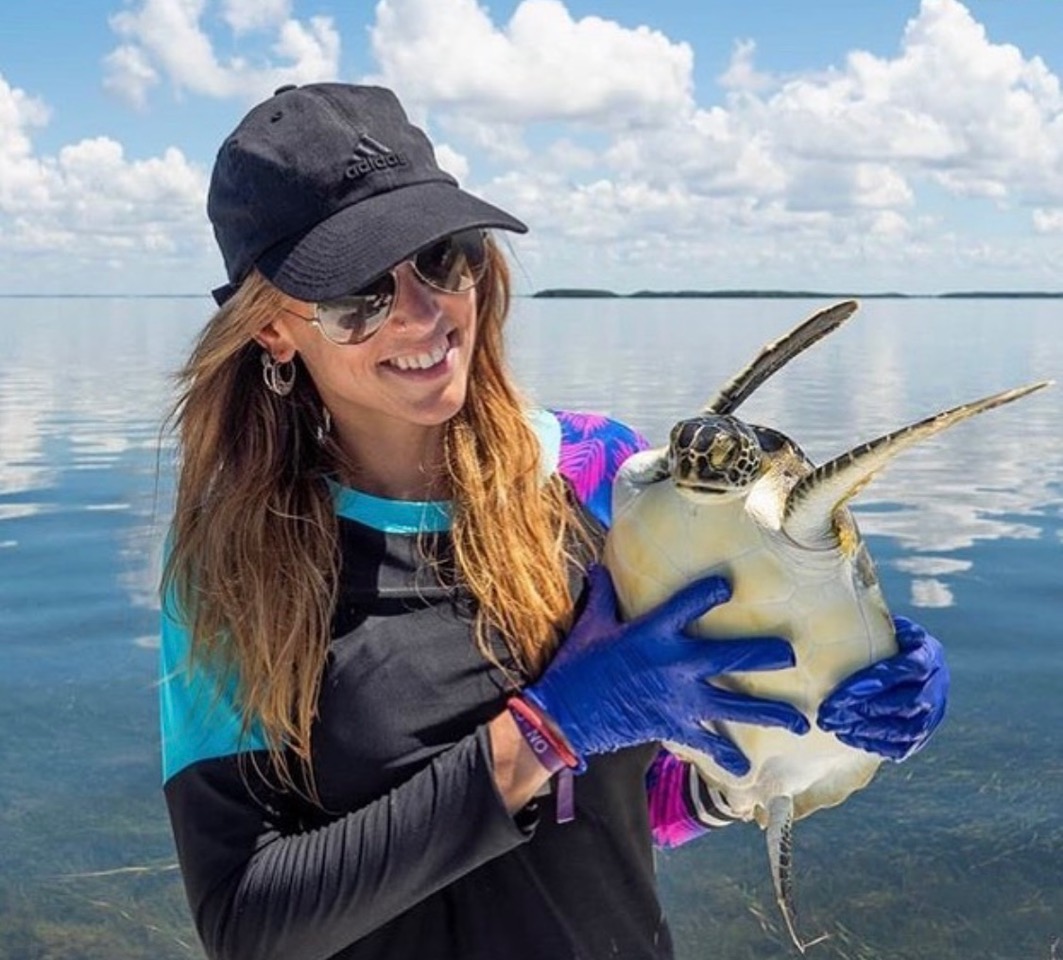 Ariadna Arnau
Email: ariadna.arnau@ufl.edu
Department: Biology
Major Professor: Karen A. Bjorndal & Hannah Vander Zanden
Ariadna is a marine biologist interested in ecology, behavior and conservation of sea turtles. As a passionate field biologist, she has worked for nonprofit organizations since 2009, contributing to the conservation of sea turtles over multiple nesting seasons in Cape Verde, Costa Rica, Ghana and U.S. Ariadna’s research interests include understanding the extrinsic and intrinsic factors that influence sea turtle’s breeding strategies (capital or income) by using stable isotopes as well as their reproductive energy budgets.
 Nerine Constant
Email: nconstant@ufl.edu
Department: Biology
Major Professor: Karen A. Bjorndal
Nerine’s research focuses on the effects of green turtle grazing on ecologically and economically important fish communities in Caribbean seagrass meadows. Understanding how green turtles impact the structure and function of seagrass ecosystems is critical to ecosystem-based fishery management. Nerine’s research incorporates her broader interests, which include studying the roles of sea turtles in marine ecosystems and contributing to conservation efforts and sustainable management of coastal resources.
 George Glen
Email: george.glen@ufl.edu
Department: Biology
Major Professor: Karen A. Bjorndal
George is interested in the reproductive biology and foraging ecology of sea turtles, particularly the intersection between the two. For example, how will ecological change on foraging grounds affect migrations, age at maturity, and fitness. Currently, George is looking at the possible role of biological senescence in green turtles with the aim of improving population models to better inform management decisions.
 Richard M. Herren
Email: rherren@ufl.edu
Department: Wildlife Ecology and Conservation
Major Professor: Ray Carthy
Rick’s research is focused on spatial distribution and habitat selection by juvenile sea turtles in Florida’s nearshore waters. In particular, he is interested in determining the biotic and abiotic factors driving turtle aggregations using predictive models. Other interests include examining temporal and spatial changes in juvenile sea turtle movements, diet, growth and disease in response to climate change.
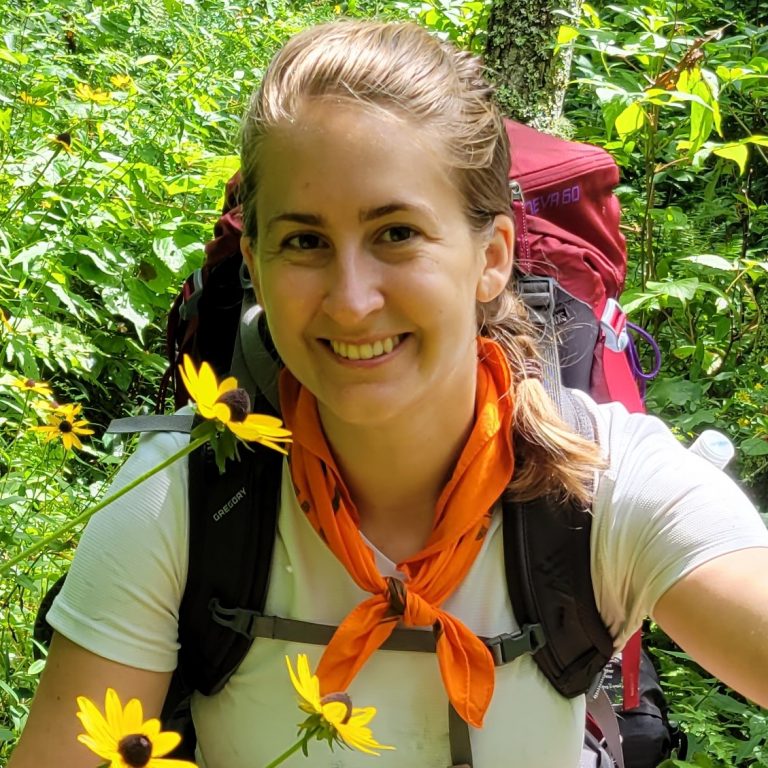 Ashley Meade Kusel
Email: ashleymeade@ufl.edu
Department: Biology
Major Professor: Karen A. Bjorndal
Ashley is interested in green turtle and seagrass ecology, specifically if seagrasses have anti-herbivory responses to green turtle grazing and how those responses may affect green turtles. She also has special interests in habitat conservation. Ashley will quantify the presence of herbicide runoff (glyphosate) in Florida seagrass meadows while developing a new seagrass rapid assessment method that accounts for grazing.
 Aileen Lavelle
Email: aileenlavelle@ufl.edu
Department: Biology
Major Professor: Hannah Vander Zanden
Aileen is interested in sea turtle movement ecology and conservation management. She focuses on using statistical and geospatial modeling to assess the most critical in-water threats to U.S. loggerhead sea turtle populations. She aims to understand the intricate balance between sea turtle habitat utilization and recreational human activities within coastal ecosystems.
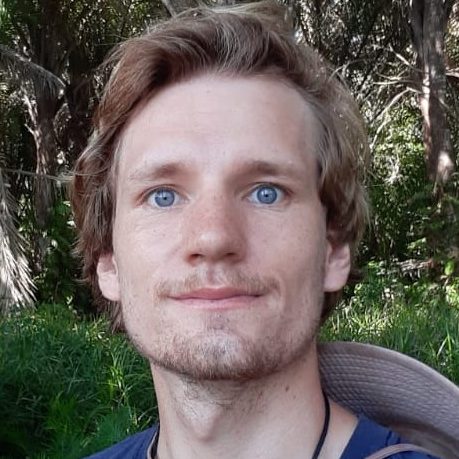 Christopher Nolte
Email: c.nolte@ufl.edu
Department: Biology
Major Professor: Hannah Vander Zanden
Chris’s research focuses on leatherback sea turtles in the southwest Indian Ocean to better understand why this population is critically endangered, despite six decades of protection. His main goal is to determine if the areas established for conservation are appropriate based on genetic structure, health, and distribution of the leatherback population.
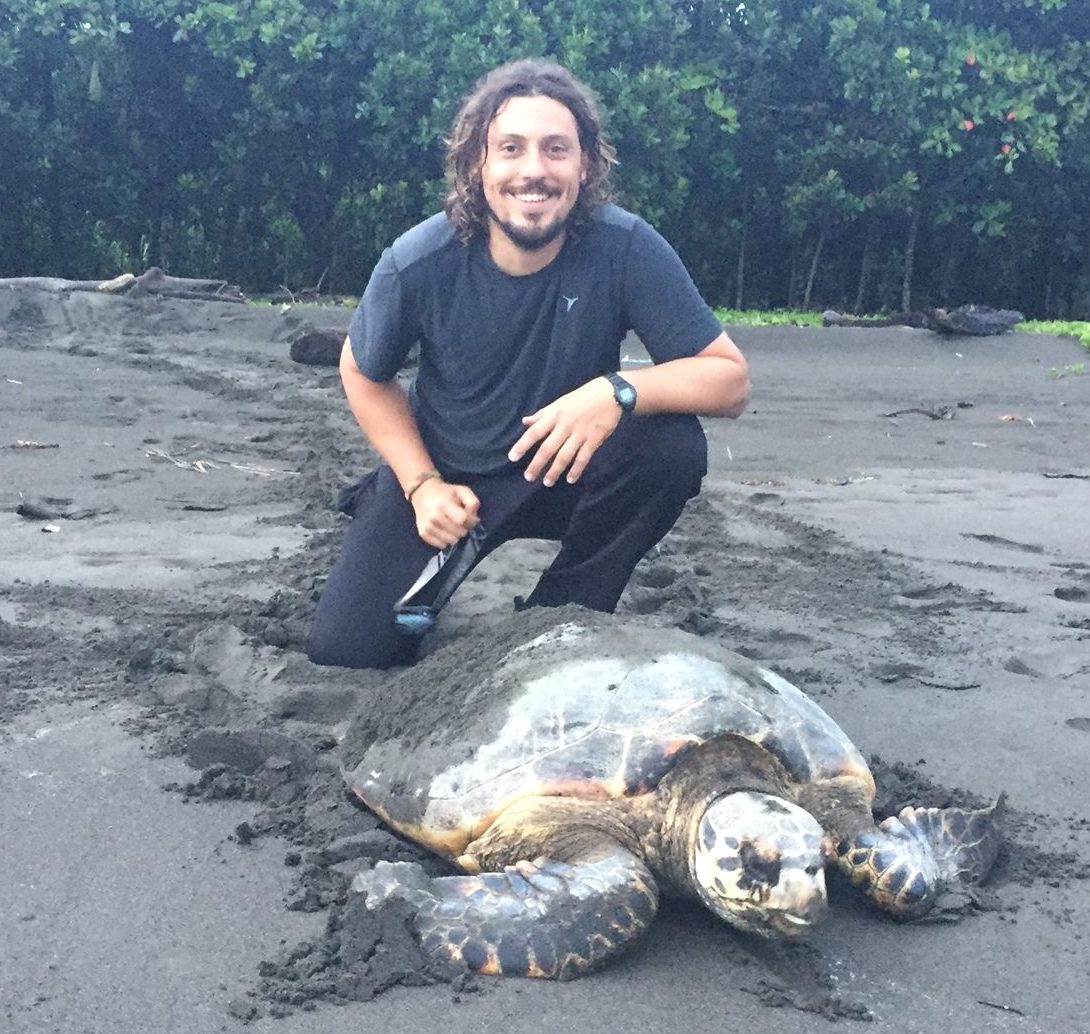 Renato Saragoca Bruno
Email: rsaragocabruno@ufl.edu
Department: Biology
Major Professor: Karen A. Bjorndal
Renato’s research tackles the reproductive dynamics of green turtles (Chelonia mydas) foraging in the Caribbean off Nicaragua and nesting at Tortuguero, Costa Rica, using the visual inspection of gonads. Caribbean green turtle populations had decreased by more than 97% since pre-Columbian times before increasing somewhat in recent decades. Better understanding of factors influencing green turtle reproductive output is crucial for devising conservation strategies to mitigate the accruing threats sea turtles face on a rapidly changing planet.